


 Aug 14, 2025
What Is Binocular Vision Dysfunction?
Binocular Vision Dysfunction (BVD) occurs when the eyes are unable to work together effectively. Even if eyesight appears clear, subtle issues in eye alignment or coordination can lead to a range of visual and physical symptoms which can affect day-to-day comfort. These may include eye strain, headaches, blurred vision, difficulty focusing, dizziness, nausea, or increased visual fatigue toward the end of the day when using a computer.
Many people with BVD are unaware of the condition, attributing their discomfort to stress, fatigue, or unrelated health concerns. A comprehensive binocular vision assessment may help identify visual factors that could be contributing to symptoms and assist in determining appropriate management options.
Symptoms of BVD: More Than Just Vision
BVD can present with a mix of visual, physical, and cognitive symptoms.
Visual symptoms:
- Blurred or double vision, especially after reading or screen use
- Eye strain or fatigue during focused tasks
- Difficulty adjusting between near and far vision
- Light sensitivity and reduced depth perception
Physical symptoms:
- Headaches or migraines after visual tasks
- Dizziness, nausea, or poor balance
- Neck and shoulder discomfort from compensatory head postures
Cognitive and behavioural symptoms:
- Difficulty concentrating
- Reduced reading comprehension
- Mental fatigue during visually demanding tasks
- Avoidance of near work
These symptoms may affect reading, learning, workplace comfort, and other everyday visual activities.
Impact Across Ages and Lifestyles
BVD can affect children, adults, and seniors alike. In children, binocular vision difficulties may contribute to challenges with reading, sustained visual attention, or classroom-based activities. Some symptoms associated with binocular vision difficulties may overlap with those reported in individuals with ADHD, dyslexia, or other learning challenges. A comprehensive assessment can help determine whether visual factors may be contributing.
Adults working in office environments may experience headaches, visual fatigue, or difficulty maintaining focus on screens for extended periods. Frequent mobile device users may also notice increased eye strain and blurred vision.
Recognising the signs early and undergoing a comprehensive binocular vision assessment can be valuable in identifying ways to support visual comfort and function.
Treatment Options for BVD
Several management options may be considered for binocular vision dysfunction, depending on the individual's symptoms, diagnosis, and clinical findings.
Prescription glasses:
These may correct underlying refractive errors such as long sightedness, short sightedness, and astigmatism. In some cases, lenses may also be prescribed to support focusing ability during sustained near tasks.
Prism glasses:
These specialised lenses alter the way images are presented to the eyes and may be prescribed to address specific binocular vision conditions identified during assessment.
Vision therapy:
Vision therapy is a structured program of activities designed to develop and improve specific visual skills. High-level evidence supports the use of vision therapy for certain binocular vision disorders, including convergence insufficiency. Suitability depends on the individual's diagnosis and clinical findings.
Addressing underlying conditions:
Binocular vision difficulties may sometimes be associated with neurological conditions, muscle imbalances, concussion, or acquired brain injury. Identifying contributing factors may assist in developing an appropriate management plan.
Why a Thorough Examination Matters
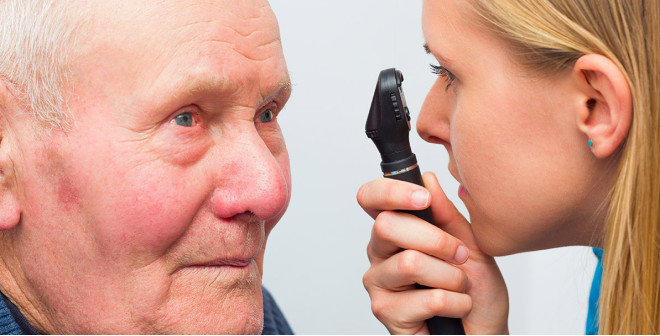
A standard eye examination may not identify all aspects of binocular vision function. A comprehensive binocular vision assessment evaluates eye teaming, eye movements, focusing ability, alignment, and other aspects of visual function.
This level of assessment may help identify binocular vision issues and determine whether visual factors could be contributing to an individual's symptoms.
Why Choose Vision One Eyecare?
At Vision One Eyecare in Langwarrin, we understand that vision plays an important role in many aspects of daily life. Our family-run practice is committed to providing personalised and evidence-informed eye care.
Our optometrists have undertaken further postgraduate education in binocular vision disorders and their management. We take the time to provide comprehensive assessments, including Binocular Vision Dysfunction (BVD) examinations, to help identify factors that may be contributing to symptoms and discuss appropriate management options.
Whether you're a concerned parent, a busy professional, or someone seeking answers about your visual comfort, our team is here to provide the information, assessment, and care needed to support your visual function and eye health.
References
- Scheiman M, Kulp MT, Cotter SA, Lawrenson JG, Wang L, Li T. Interventions for convergence insufficiency: a network meta-analysis. Cochrane Database of Systematic Reviews. 2020;12:CD006768.
doi:10.1002/14651858.CD006768.pub3
Level I
Cochrane systematic review and network meta-analysis — highest level of evidence; PMID: 33263359; PMCID: PMC8092638
- Feinberg DL, Rosner MS, Rosner AJ. Validation of the Binocular Vision Dysfunction Questionnaire (BVDQ). Otology & Neurotology. 2021;42(1):e66-e74.
doi:10.1097/MAO.0000000000002874
Level III-2
Validation study; PMID: 33105328 - Candy TR, Cormack LK. Recent understanding of binocular vision in the natural environment with clinical implications. Progress in Retinal and Eye Research. 2022;88:101014.
doi:10.1016/j.preteyeres.2021.101014
Level III-2
Narrative review with clinical commentary; PMID: 34624515; PMCID: PMC8983798 - American Optometric Association. What is a binocular vision assessment? In: Guide to Children's Eye Exams.
optometrists.org
Consumer reference
Professional association consumer health information; not peer-reviewed - American Optometric Association. BVD symptoms and treatment. In: Guide to Binocular Visual Dysfunction.
optometrists.org
Consumer reference
Professional association consumer health information; not peer-reviewed










visiononeeyecare
We are your independent and family focused Optometrist.