


Binocular Vision Dysfunction (BVD) occurs when the eyes struggle to maintain alignment, have difficulty adjusting focus, and do not work together smoothly as a team. This ongoing effort to keep the eyes coordinated can lead to a range of visual and physical symptoms that impact daily life for people of all ages. Binocular Vision Dysfunction (BVD) encompasses a range of conditions where the eyes fail to work together effectively, leading to symptoms such as headaches, eye strain, blurred vision, and difficulty focusing.
Symptoms of BVD
Visual Symptoms:
- Blurred or double vision, especially after reading or screen use.
- Eye strain, pain, or fatigue, particularly during tasks requiring focus.
- Difficulty adjusting focus between distances.
- Trouble maintaining eye contact or following moving objects.
- Light sensitivity and discomfort with glare or reflections.
- Poor depth perception, making it hard to judge distances.
- Closing or covering one eye to read or see clearly.
Physical Symptoms:
- Frequent headaches or migraines, often after visual tasks.
- Dizziness, nausea, or feeling unsteady.
- Neck, shoulder, or upper back pain from compensatory head movements.
- Head tilting or turning to alleviate visual discomfort.
- Difficulty with accuracy in ball sports or activities requiring precise hand-eye coordination, due to impaired depth perception and teamwork between the eyes.
- Motion sickness or discomfort in visually busy environments.
Cognitive and Behavioral Symptoms:
- Difficulty concentrating, especially with reading or screen work.
- Reduced reading comprehension, skipping words or lines, and needing a finger to guide reading
- Fatigue or distraction during visually demanding tasks.
Impact on Daily Living
School Children:
- Fatigue with reading, writing, and focusing in class, which can lead to a reduction in performance and frustration.
- BVD symptoms can sometimes overlap with other conditions. A comprehensive binocular vision assessment can help clarify the contribution of visual factors
- Difficulty in sports and playground activities due to effect on depth perception and coordination.
Office Workers:
- Reduced productivity from eye fatigue, headaches, and trouble concentrating during prolonged computer use.
- Increased digital eye strain and physical discomfort from compensatory postures.
Frequent Mobile Phone and Device Users:
- Exacerbated symptoms such as eye strain, blurred vision, and headaches due to extended screen time and frequent focus changes.
- Discomfort from digital glare and reduced blinking, leading to dryness and irritation.
Treatment Options
- Prescription glasses: Glasses include prescriptions for underlying difficulties with near focusing, longsightedness, short sightedness and astigmatism.
- Prism glasses: Lenses that help align the visual images from each eye, reducing symptoms for many patients.
- Vision therapy: Tailored exercises and activities to strengthen eye coordination and improve teamwork between the eyes. There has been significant research which has established a strong evidence base supporting Vision Therapy for the treatment of a number of different Binocular vision Dysfunctions including Convergence Insufficiency.
- Addressing underlying conditions: Treating refractive errors, muscle imbalances, or neurological issues contributing to BVD.
Causes of BVD & Importance of Comprehensive Eye Examination
Binocular Vision Dysfunction (BVD) can arise from a range of causes—including refractive errors (like myopia, hyperopia, astigmatism, and presbyopia), problems with eye alignment or teamwork (such as strabismus and amblyopia), neurological conditions (including migraines, strokes, nerve palsies, and neurodivergent conditions), medication side effects or a combination of these factors, as seen in cases of concussion or multiple coexisting conditions.
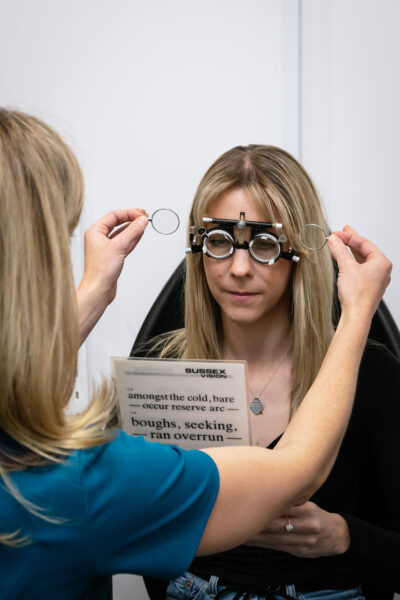
Because BVD can result from subtle issues in how the eyes focus, move, and work together, a comprehensive eye examination is essential. Standard vision tests may not detect the nuanced misalignments or functional deficits that cause BVD. Only a thorough binocular vision assessment—evaluating alignment, focus, eye teaming, and visual processing—can accurately diagnose BVD and distinguish it from other conditions with overlapping symptoms, such as ADHD, migraines, or learning disabilities.
In Summary
BVD can significantly disrupt daily life for school children, office workers, and anyone who frequently uses digital devices BVD has diverse and sometimes overlapping causes, making it easy to miss with routine eye exams. Comprehensive binocular vision testing is crucial for accurate detection and effective treatment, ensuring underlying dysfunctions are not overlooked.
References
- Scheiman M, Kulp MT, Cotter SA, Lawrenson JG, Wang L, Li T. Interventions for convergence insufficiency: a network meta-analysis. Cochrane Database of Systematic Reviews. 2020;12:CD006768.
doi:10.1002/14651858.CD006768.pub3
Level I
Cochrane systematic review and network meta-analysis — highest level of evidence; PMID: 33263359; PMCID: PMC8092638
- Feinberg DL, Rosner MS, Rosner AJ. Validation of the Binocular Vision Dysfunction Questionnaire (BVDQ). Otology & Neurotology. 2021;42(1):e66-e74.
doi:10.1097/MAO.0000000000002874
Level III-2
Validation study; PMID: 33105328 - Candy TR, Cormack LK. Recent understanding of binocular vision in the natural environment with clinical implications. Progress in Retinal and Eye Research. 2022;88:101014.
doi:10.1016/j.preteyeres.2021.101014
Level III-2
Narrative review with clinical commentary; PMID: 34624515; PMCID: PMC8983798 - American Optometric Association. What is a binocular vision assessment? In: Guide to Children’s Eye Exams.
optometrists.org
Consumer reference
Professional association consumer health information; not peer-reviewed - American Optometric Association. BVD symptoms and treatment. In: Guide to Binocular Visual Dysfunction.
optometrists.org
Consumer reference
Professional association consumer health information; not peer-reviewed
OCT Imaging
Optical Coherence Tomography or OCT as it’s more commonly known, is a sophisticated scanning system that produces highly detailed images of the internal structure...
Find Out MoreVision Screenings
If your child avoids reading, experiences discomfort and fatigue when attempting to complete schoolwork......
Find Out More
Cataracts
A cataract is a clouding of the lens in the eye. The lens is normally clear, but it can become cloudy as we age. This cloudiness can make it difficult to see.
Find Out More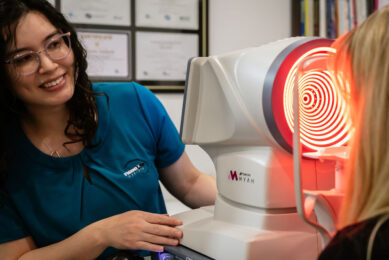
Keratoconus
Keratoconus is a condition that causes the cornea, the clear front part of the eye, to become thin and cone-shaped. This can lead to blurry, distorted vision.
Find Out More
Age-related Macular degeneration (AMD)
Age-Related Macular Degeneration (AMD) is a condition that affects the macula, a small part of the retina that is responsible for central vision. AMD causes blurred, distorted vision, or even blind spots in the centre of your vision.
Find Out More
Contact Lens Care
Contact lenses are a great way to improve your vision, but they require proper care to avoid eye infections and other problems. Here are some tips on how to care for your contact lenses:
Find Out More

Dry Eye
What is Dry Eye? Dry eye disease is a common condition characterized by insufficient tear production or poor tear quality, leading to inadequate lubrication of the eyes. Find Out More


















visiononeeyecare
We are your independent and family focused Optometrist.