


 Apr 24, 2026
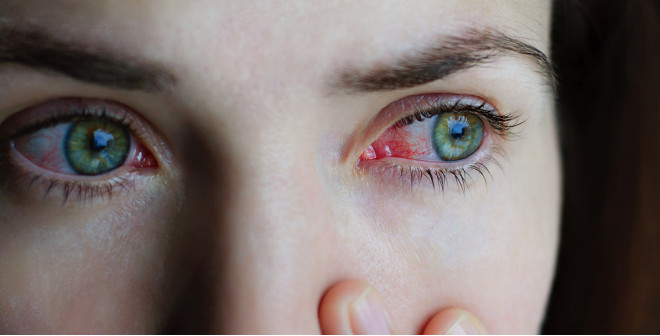
Do your eyes feel irritated, stinging, or burning after spending long periods looking at your phone or computer screen? If so, you may be experiencing dry eye disease, a very common condition affecting people worldwide.
According to the TFOS DEWS II and III studies, around 29.5% of people globally experience dry eye symptoms. These large international studies provide important guidelines for the causes, diagnosis, and management of dry eye disease. With increasing screen use in everyday life, dry eye is becoming more common than ever.
Certain groups are more likely to experience dry eye. Risk tends to be higher in people who are older or female, but lifestyle and environmental factors can also contribute. Some common triggers include:
- Long periods of screen time
- Contact lens wear
- Low humidity or air-conditioned environments
- Certain medications
- Poor sleep
In addition, some systemic conditions such as Sjögren’s syndrome can increase the risk of developing dry eye (TFOS DEWS III, 2025).
Dry eye disease is generally divided into two main types. Aqueous-deficient dry eye occurs when the eyes do not produce enough tears, while evaporative dry eye occurs when tears evaporate too quickly, often due to problems with the meibomian glands in the eyelids. Some patients experience a combination of both types.
Although dry eye can be frustrating, it is manageable. Lifestyle changes and appropriate treatment can significantly improve symptoms and comfort. In fact, studies show that effectively managing dry eye can improve overall quality of life, as chronic dry eye symptoms have been linked with higher levels of anxiety and reduced wellbeing.
Treatment depends on the underlying cause, but commonly includes:
- Lubricating eye drops
- Warm compresses for meibomian gland dysfunction
- Lid hygiene or lid wipes
- Oral supplements
- Anti-inflammatory or corticosteroid eye drops
In some clinics, specialised treatments such as intense pulsed light (IPL) therapy are also available to help manage certain types of dry eye.
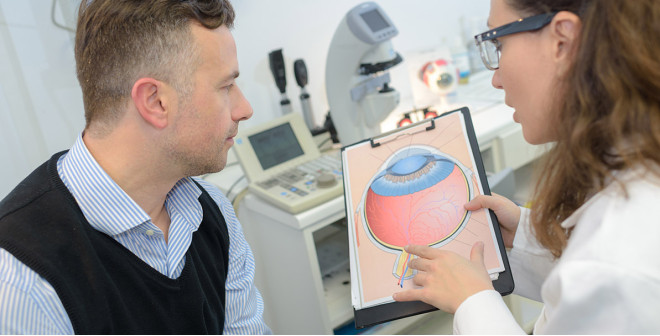
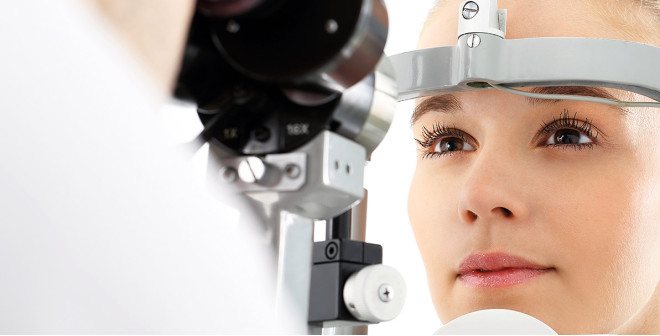
If you regularly experience burning, irritated, or watery eyes, it may be worth having your eyes assessed. A comprehensive eye examination can help determine the cause of your symptoms and guide the most appropriate treatment plan.
If you’re experiencing dry eye symptoms or would like to learn more about treatment options, consider booking an eye check with your optometrist. Early management can make a significant difference to your comfort and long-term eye health.
Source: https://www.ajo.com/article/S0002-9394(25)00274-0/fulltext













visiononeeyecare
We are your independent and family focused Optometrist.