


 Aug 14, 2026
What to Expect at a Sports Vision Assessment
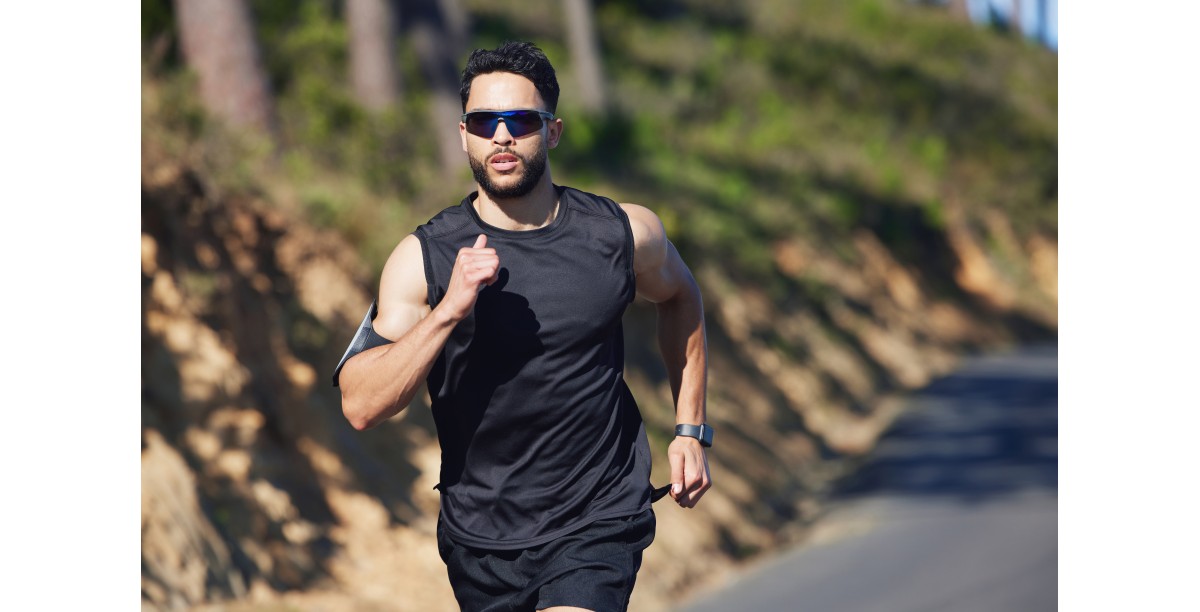
Vision drives more of your performance on the field, court, or track than most athletes realise. Reaction time, depth judgement, and hand-eye coordination all rely on visual skills working together — and when one of them is underperforming, it can quietly hold you back without you ever suspecting the role your eyes play. A sports vision assessment is how we find out what's really going on, and what can be done about it.
More Than a Standard Eye Test
A regular eye exam checks how clearly you see — whether you need glasses or contacts to bring things into focus and eye health assessment. A sports vision assessment goes further, looking at the specific visual skills that drive athletic performance: peripheral awareness, depth perception, eye tracking, visual scanning, and how well your eyes and body coordinate together under pressure. Two athletes can have identical 20/20 vision on a chart and still perform very differently once these skills are put to the test.
What Happens During the Assessment
We start by talking through your sport, position, and any patterns you've noticed — mistimed catches, slow reactions, or trouble keeping track of play. From there, we work through a series of tests covering:
- Eye tracking — how smoothly your eyes follow a moving object
- Peripheral vision — how well you pick up movement and detail outside your direct line of sight
- Depth perception — how accurately you judge distance and closing speed
- Visual scanning — how efficiently you take in and process a busy field of play
- Visual-motor integration — how well your hands and feet respond to what your eyes see
Together, these results build a clear picture of which visual skills are already strong and which ones may be limiting your performance.
Where Glasses and Visual Aids Can Help
For some athletes, the answer is as straightforward as correcting the vision itself. Uncorrected or under-corrected eyesight can slow reaction time and blur fast-moving objects, and the right prescription, in the form of contact lenses or spectacle lenses fitted into durable, sport-appropriate eyewear can noticeably sharpen performance. We help athletes find eyewear that holds up to their sport, whether that means impact-resistant frames, secure sports fittings, or lenses suited to outdoor glare and fast lighting changes.
Where Vision Therapy Comes In
When the assessment points to a weaker visual skill (slower eye tracking, limited peripheral awareness, or poor visual-motor coordination) Vision Therapy is often the next step. It's a structured, targeted program of exercises designed to strengthen exactly those skills over time, built around the demands of your specific sport. Rather than working around a weak spot, the goal is to train it up.
A Plan Built Around the Athlete
Every athlete's assessment results look a little different, so the plan that follows does too. Some need new eyewear, some benefit most from Vision Therapy, and many do best with a combination of both. As a family-run practice, we take the time to walk you through your results and build a plan that fits your sport, your goals, and your schedule.
Book a Sports Vision Assessment
If hidden visual gaps might be holding your performance back, a sports vision assessment is the place to start. Book an appointment with Vision One Eyecare in Langwarrin and find out what your visual system is capable of.








visiononeeyecare
We are your independent and family focused Optometrist.